salakhalimunmountain.com – The journey toward the jagged, cloud kissed peaks of Mount Salak often begins long before you step onto the soft, loamy soil of the rainforest floor. For those who choose the freedom of their own wheels, the transition from the frantic rhythm of urban life to the serene stillness of the jungle is marked by the moment you pull into one of the many parking areas around popular Salak entry points. These spaces are more than just rectangles of gravel or asphalt; they are the final outposts of civilization where you lace up your boots, adjust your pack, and take that first deep breath of oxygen rich mountain air. Understanding where to safely leave your vehicle is the foundation of a stress free expedition, allowing your mind to wander as deep into the wilderness as your feet will carry you, knowing that your return to the trailhead will be met with a secure and welcoming sight. As a local guide who has spent years navigating these slopes, I can tell you that the peace of mind starting at the parking lot is what allows the magic of the forest to truly take hold. The heavy rainforest air begins to cool your engine as you step out, greeting you with the scent of damp earth and ancient moss even before you leave the clearing.
The Heart of the Highlands at Gunung Bunder
Gunung Bunder stands as perhaps the most famous gateway to the Salak side of the national park, and the parking areas around popular Salak entry points here reflect its high status among nature lovers. As you wind your way up through the pine forests of the Pamijahan district, you will find that the primary parking zones are strategically located near the most iconic waterfalls. The main parking area near the entrance gate is a spacious, well managed clearing that offers a panoramic view of the valley below. Here, the ground is firm and often shaded by towering trees, providing a cool sanctuary for your car or motorbike while you explore. The local attendants are familiar faces who have guarded these slopes for years, and their presence adds a layer of community security that is characteristic of the Sundanese hospitality found throughout the region. You will often hear the distant call of the gibbons or the rhythmic cicada calls echoing through the trees as you organize your gear in these well kept lots.
For those seeking a more organized experience, the parking facilities at Gunung Bunder are among the most developed in the region. They are designed to accommodate the heavy influx of visitors during weekends while maintaining a sense of order that respects the surrounding environment. The concrete pads are generally level, which is a relief for those driving larger vehicles. When you park here, you are not just leaving a car; you are entering a community that prides itself on stewardship. The fees collected are often funneled back into the maintenance of the very trails you are about to hike. Take a moment to chat with the attendants; they often have the latest news on trail conditions or weather patterns that can change in an instant in this high altitude microclimate. Their smiles are as bright as the morning sun filtering through the pine needles above, creating a warm start to your rainforest adventure.
Navigating the Cascade Access Zones
For those specifically seeking the thunderous beauty of Curug Ngumpet or Curug Cigamea, the parking areas around popular Salak entry points are tucked right against the edge of the forest. These smaller lots are designed for quick access to the trails, often featuring a few local stalls selling hot ginger tea and steamed corn. Because these spots are carved into the natural slope of the mountain, space can be intimate. Arriving during the early morning hours, when the mist still clings to the ferns and the cicadas are just beginning their daily chorus, ensures you find a prime spot. The walk from your vehicle to the trailhead in these areas is often a sensory delight in itself, as the sound of rushing rivers grows louder with every step you take away from the parking lot and into the green embrace of the park. The cool air feels like a physical weight against your skin, a refreshing contrast to the heat of the lowlands.
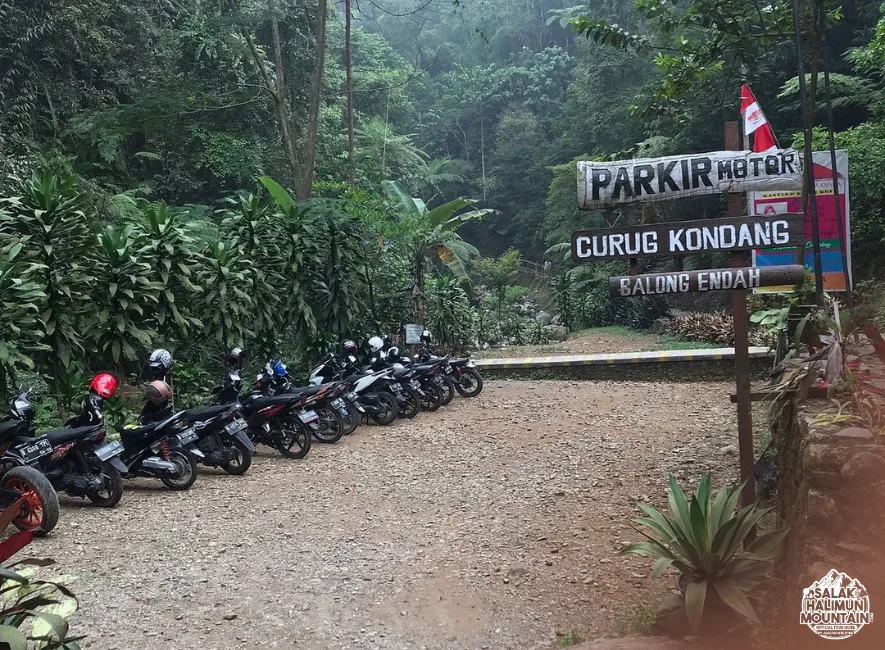
In these specific cascade zones, the parking is often integrated with local small businesses. This means you might be parking on a gravel lot managed by a family that has lived on the mountain for generations. There is a deep sense of trust in these areas. You will see motorbikes lined up with helmets left casually on the handlebars, a testament to the safety and respect prevalent in the Salak community. If you are staying late to catch the sunset, these lots remain monitored, ensuring that your trek back to civilization is not met with any unpleasant surprises. Just remember to pack out any trash you might have in your vehicle; keeping these parking areas clean is the first step in preserving the pristine nature of the waterfalls themselves. The harmony between the visitor and the land starts right here at the bumper of your car, where the soft mud trails begin their journey into the deep green.
The Eastern Gateway of Cidahu
On the eastern slopes, the parking areas around popular Salak entry points near Cidahu offer a different, perhaps more rugged, atmosphere. This is the preferred starting point for serious trekkers aiming for the Salak craters or the higher summits. The parking facilities here are robust and built to accommodate those who might be leaving their vehicles overnight for a multi day camping trip. The main lot near the Javana Spa area is wide and open, providing ample room for larger groups or families. There is a sense of quiet preparation that hangs over the Cidahu parking zones; you will see hikers checking their GPS coordinates and sealing their dry bags, all under the watchful gaze of the towering volcanic ridges that dominate the skyline. The air here carries the sharp, clean scent of eucalyptus and wild ferns, mixed with the heavy rainforest air that flows down from the peaks.
Cidahu serves as a transition point where the road truly gives way to the wild. The parking areas are designed to be functional and secure. Because many people come here for the therapeutic hot springs as well as the trekking, the lots are often busy but rarely chaotic. The management here is quite professional, often providing tickets and clearly marked stalls. For the long distance hiker, this organization is a blessing. You can leave your vehicle for forty eight hours or more with the knowledge that it is being watched by a dedicated team of locals. This allows you to focus entirely on the rhythm of your breath and the crunch of leaves under your boots as you ascend toward the clouds. The sound of distant thunder is common here, a reminder of the mountain’s power, but your vehicle remains a safe anchor in the valley while you explore the dense canopy light above.
Safe Haven for Overnight Trekkers
Because Cidahu is a hub for camping, the parking areas around popular Salak entry points here emphasize long term security. The local management works closely with the national park rangers to ensure that vehicles are monitored throughout the night. It is customary to leave a small extra fee for overnight stays, a gesture that supports the local village economy and ensures a dedicated eye stays on your gear. As you park your vehicle, you will notice the scent of pine needles and wet stone, a fragrant reminder that you have reached the high altitude sanctuary of the park. The transition from the driver’s seat to the mountain trail is seamless here, with the trailhead signs often visible right from the edge of the parking area, beckoning you into the deep shadows of the primary forest. The moss covered rocks at the edge of the lot are the first taste of the ancient world you are about to enter.
Safety for your vehicle means safety for your spirit. In Cidahu, the parking attendants often double as informal guardians of the trailhead. They see who goes in and who comes out, creating an informal but effective safety net for those exploring the deeper reaches of the Salak Halimun range. If you are planning a particularly long expedition, it is always a good idea to mention your expected return time to the parking staff. They are part of the local communication web that keeps hikers safe. This level of human connection is what sets the Salak experience apart from more commercialized parks. When you return, tired and mud splattered from the craters, seeing your car exactly where you left it feels like a warm welcome home from the mountain itself, a reliable friend waiting at the end of a long, misty road.
The Remote Northern Slopes and Cipelang
For the traveler who seeks the path less traveled, the parking areas around popular Salak entry points near the more remote gates like Cipelang offer a more humble experience. These spots may not have the expansive infrastructure of Gunung Bunder, but they provide a sense of true isolation. Often, parking here means leaving your vehicle in a designated area within a traditional Sundanese hamlet. These village based parking spots are incredibly safe, as the community takes great pride in hosting visitors. You might find yourself parking on a flat patch of grass near a village head’s home, where the only traffic is the occasional chicken or a local farmer heading to the rice terraces. It is a deeply authentic way to begin your journey, connecting you with the human history of the mountain before you enter its natural wildness. The dense canopy light filtering through leaves creates a dappled pattern on your car as you prepare for the hike.
Cipelang is known for its ancient ruins and misty atmosphere, and the parking reflects this mystical quality. There are no flashing lights or paved mega lots here. Instead, you find quiet corners where the grass is kept short by grazing livestock. The air is still, and the only sound is the rustle of bamboo in the breeze. Parking in these remote areas requires a bit more communication, perhaps a polite request in the local tongue, but the reward is a level of intimacy with the land that is hard to find elsewhere. You are not just a customer here; you are a guest of the village. This connection often leads to the best stories and the most profound trekking experiences, as you start your walk from the very heart of the local culture, surrounded by the heavy air of the valley.
Etiquette and Respect in Village Lots
When using these more remote parking areas around popular Salak entry points, etiquette is paramount. A friendly greeting in the local language and a respectful nod to the residents go a long way. These areas are communal spaces, and your vehicle is a guest in their home. Ensure you do not block access to village paths or irrigation channels, which are vital to the local agriculture. The parking fee in these areas is often more of a contribution to the village fund, and the kindness you show will often be returned with directions to a secret waterfall or a tip on the current trail conditions. This social exchange is part of the magic of the Salak Halimun region, where the road and the forest are inextricably linked through the lives of the people who live between them. Respecting these boundaries ensures that these popular Salak entry points remain open and welcoming for all who seek the rainforest.
In these smaller hamlets, your car or motorbike is often under the indirect supervision of the entire neighborhood. The collective vigilance of a Sundanese village is the best security system in the world. As you walk away from your vehicle, you might see children playing nearby or elders sitting on their porches; their presence is a silent guarantee of safety. This is the beauty of traveling through Salak Halimun, where the human and natural landscapes blend so seamlessly. By the time you return from your trek, your vehicle will be waiting exactly as you left it, perhaps with a few fallen leaves on the windshield as a gift from the canopy. This level of respect and community care makes the remote entry points some of the most rewarding places to start your mountain exploration.
Safety First for Your Vehicle and Gear
While the parking areas around popular Salak entry points are generally very safe, a few practical steps will ensure your peace of mind while you are away in the deep forest. Always double check that your windows are rolled up tightly. While human theft is rare, the mountain is home to curious wildlife and sudden, heavy downpours that can drench an interior in minutes. If you are riding a motorbike, it is wise to secure your helmet with a lock or take it with you if you have space in your pack. The local attendants are diligent, but they cannot account for a sudden tropical storm or an inquisitive macaque. Being mindful of your vehicle’s condition before you leave is part of the responsible trekking ethos that we encourage at Salak Halimun Mountain. The heavy rainforest air is beautiful, but it is also very damp, so keep your electronics protected.
Another tip for those using the parking areas around popular Salak entry points is to keep valuables out of sight. While we trust our local communities implicitly, it is always a good practice to minimize temptation and maintain a low profile. If you have expensive camera gear or extra camping equipment, store it in the trunk or under a seat before you arrive at the trailhead. This allows you to step out of your vehicle and immediately begin your immersion into the nature without a second thought. Your focus should be on the rushing rivers and the moss covered rocks, not on the contents of your car. By taking these simple precautions, you ensure that your focus remains where it belongs, on the incredible biodiversity and stunning vistas of the national park.
Preparing for the Return Descent
One of the best feelings in the world is returning to your vehicle after a long, challenging day in the rainforest. To make this moment even better, consider leaving a clean towel and a fresh change of clothes in your car. After hours of walking through soft mud trails and misty ridges, a dry shirt and a comfortable seat feel like absolute luxury. You might also want to leave a bottle of fresh water or a small snack in the car to replenish your energy before the drive back down to Bogor or Jakarta. The parking areas around popular Salak entry points are your base camp, your little island of comfort waiting at the edge of the wild. Having these small comforts ready for your return turns a great day into an extraordinary one.
As the sun begins to set and the canopy light fades into a deep, velvety blue, the parking lots take on a quiet, reflective atmosphere. Hikers return with tired legs and wide smiles, sharing stories of the things they saw, the birds they heard, and the waterfalls they discovered. There is a sense of shared accomplishment that ripples through the parking area. You might find yourself chatting with a fellow traveler as you load your gear, comparing notes on the trail or the best place to grab a local meal in the village below. This community of nature lovers is what makes Mount Salak so special. Your parking spot was just the beginning and the end of the journey, but it served as the anchor for an experience that will stay with you forever.
The Spiritual Transition of the Trailhead
Ultimately, the parking areas around popular Salak entry points mark a spiritual transition. They are the places where you shed the layers of your city persona, the stress of deadlines, the noise of traffic, and the constant connectivity, and begin your return to the natural world. As you lock your car door and turn toward the green wall of the rainforest, the weight of the world seems to lift. The road has brought you this far, and now the mountain takes over. The parking lot is the beginning of the silence, the start of the climb, and the gateway to the deep, ancient mysteries of the Javanese jungle. Every trekker’s story has a chapter that starts in one of these clearings, under the shadow of the peaks, where the adventure truly begins with a single step onto the mossy trail.
So, if you’re ready to explore the wonders of Mount Salak Halimun, head over to our ONLINE BOOKING PAGE and let’s start planning your adventure. Or simply CLICK THIS LINK to chat with us on WhatsApp.
With our team, you’re not just getting a guide; you’re gaining a local friend who will ensure your trip is nothing short of extraordinary.